A delivery business is often judged by how quickly an order reaches the customer. Yet speed alone cannot sustain an efficient operation. Vehicles must remain roadworthy, drivers need clear instructions, documents must be maintained and traffic-related issues must be handled without unnecessary delays.
For businesses operating delivery vans, motorcycles or other commercial vehicles, compliance is part of operational planning. A missed renewal, an unresolved notice or an incomplete vehicle record can create additional work precisely when the team needs to focus on deliveries.
The Pressure Behind Every Delivery
Delivery workers operate in environments where road conditions change constantly. Congested streets, narrow lanes, parking restrictions, weather and customer deadlines all influence daily decisions.
When performance is measured only by delivery time, drivers may feel pressure to take unnecessary risks. Businesses should instead measure a broader set of indicators, including safe driving, successful deliveries, customer feedback, vehicle condition and compliance with company procedures.
Reasonable delivery windows and realistic route planning help drivers avoid the false choice between working quickly and working safely.
Vehicle Readiness Is an Operational Requirement
A delivery vehicle should be inspected and maintained according to its type, usage and manufacturer’s recommendations. Tyres, brakes, lights, mirrors and other safety-related components deserve regular attention.
Businesses should also maintain a record of relevant vehicle documents, including registration, insurance and applicable pollution certificates. Commercial operations may have additional requirements depending on the vehicle category, location and nature of the service.
A simple register can track document expiry dates, maintenance schedules and vehicle assignments. For a growing fleet, automated reminders and centralised records may make the process easier to manage.
Traffic Notices Need a Defined Process
A delivery business may receive traffic-related notices involving different vehicles and drivers. Without a clear reporting system, notices can remain unattended while the operations team tries to determine who was using the vehicle.
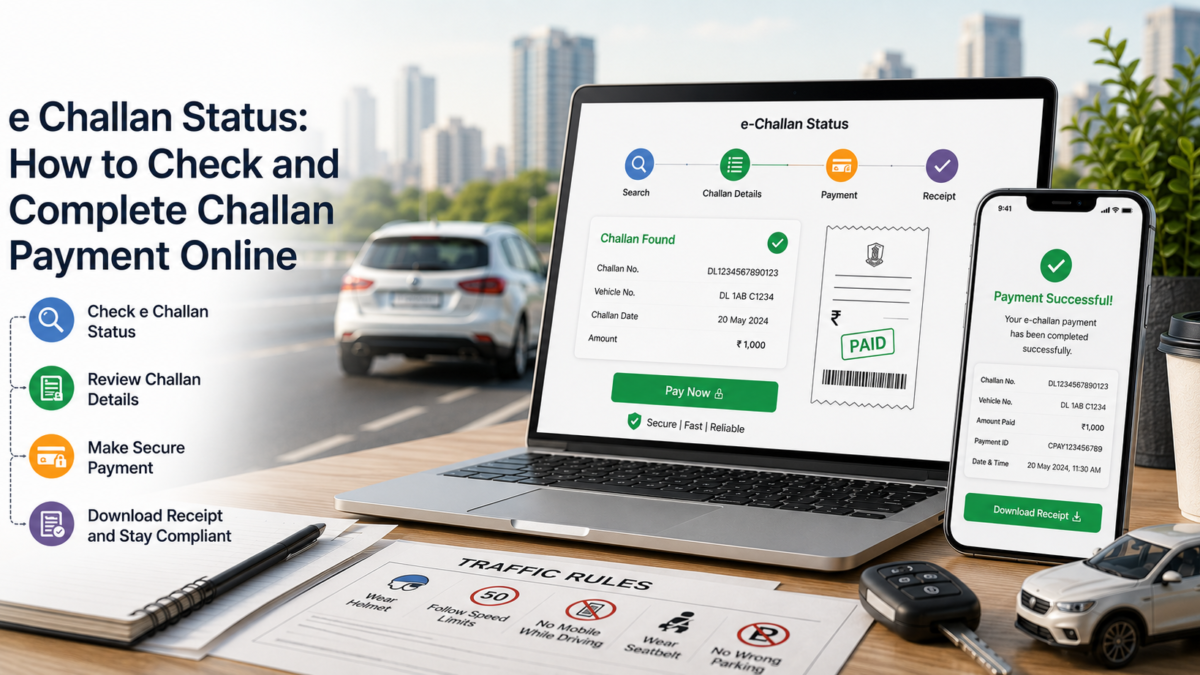
The business should record the registration number, notice reference, date, relevant driver information and current status. It should then verify the details through an appropriate channel before deciding whether to pay, seek clarification or dispute the record.
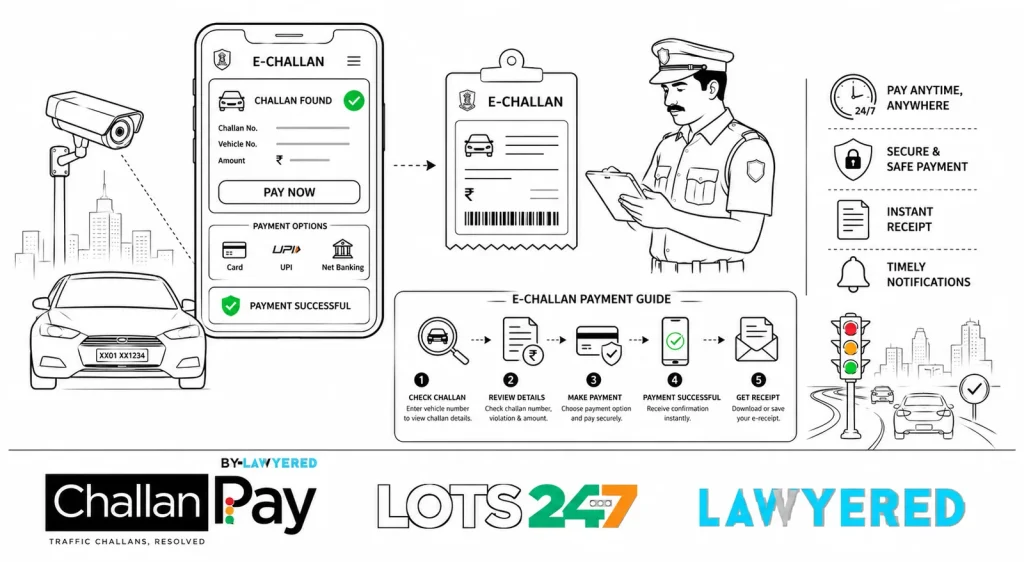
ChallanPay may be considered for checking challan information and exploring available resolution options. Businesses should verify the service’s current scope, review the details carefully and preserve transaction receipts.
Where a notice raises a legal question, Lawyered may help the business explore professional guidance. LOTS247 Sarathi may be considered for relevant vehicle or transport-related services where available. Neither a digital record nor a third-party service should be treated as a substitute for the applicable formal procedure.
Make Drivers Part of the Solution
Drivers are often the first to notice vehicle defects, confusing road signs or recurring difficulties along a delivery route. Businesses should give them a straightforward way to report concerns.
Training should cover safe driving, parking behaviour, document access, incident reporting and the process for handling a traffic notice. Employees should know whom to contact and what information to provide.
A reporting culture works best when the objective is to resolve issues rather than automatically blame the driver. Each situation should be assessed on its facts and the relevant company policy.
Use Data to Improve Operations
Delivery businesses can review patterns in their records. Repeated maintenance issues may suggest that a vehicle needs closer inspection. Frequent delays on one route may indicate unrealistic scheduling. Repeated traffic notices may justify reviewing driver training, route choices or operating procedures.
The purpose of measurement is to identify causes and improve decisions, not simply to accumulate figures.
Growth Requires Reliable Systems
As a delivery business expands, informal arrangements become harder to maintain. Clear responsibilities, accessible documents and consistent reporting procedures allow the operation to grow without creating unnecessary administrative confusion.
A successful delivery service is not merely one that reaches the customer quickly. It is one that balances speed with safety, reliable vehicle management and responsible business practices.